
The Rise and Growth of We Are Righteous: From Scrappy Beginning to Streetwear Staple
A founding narrative is something each streetwear brand has, yet not all succeed in turning it into a lasting identity. We Are Righteous has devoted its first years doing precisely that — building a name that shoppers now actively look up rather than stumbling across by accident. Those two search phrases — “righteous clothing” and “we are righteous review” — usually point to the same underlying questions: is the quality actually there, and how does it stack up against the packed landscape of indie streetwear brands. This article walks through that path, the choices that shaped it, and what the brand shapes up as heading into 2026.
Because the streetwear space is such a rapidly-evolving category, understanding this trajectory carries weight. Labels take off on a lone hoodie that goes viral and disappear within eighteen months. Over the course of years, others grind quietly, honing fit and fabric, well before anyone beyond a niche audience notices. We Are Righteous belongs to that second group, and that persistence is part of why the brand now comes up alongside more established labels when people stack up a righteous clothing brand against its rivals.
The Early Days: An Emerging Brand That Had Its Own Perspective
A compact catalog paired with a distinct aesthetic, righteous fleece sweatpants instead of a broad product range, marked the beginning of We Are Righteous, as with most independent labels. Production stayed manageable because the early collections leaned on simple, statement-driven graphics and a restrained color palette, as the brand explored what resonated with buyers. For a fledgling apparel company, keeping the lineup focused, adapting quickly, and steering clear of overcommitting to inventory before demand is proven is a practical and typical approach.
During those initial seasons, the label anchored its identity to the term “righteous” specifically — a deliberate choice that granted the label a character distinct from conventional streetwear name choices. Rather than falling back on abstract acronyms or slang pulled from elsewhere, the founders shaped a language rooted in conviction, self-assurance, and resisting trend cycles. Across drops, that message stayed consistent, and it helped early customers identify the brand well before logo placement became standardized.
Startups in apparel typically fail for one of three reasons: inconsistent quality, poor cash flow from overproduction, or a lack of clear identity. We Are Righteous avoided the third problem early by committing to a voice and sticking with it season after season. That consistency gave the brand room to fix production issues without confusing its audience about what it stood for.
Constructing the Product Line: The Point Where the Hoodie Became the Cornerstone
For We Are Righteous, the hooded pullover turned out to be the hero product that each street-style brand sooner or later requires. This particular hoodie is currently among the most sought-after and re-stocked pieces in the collection, with solid reasoning behind it: hooded pieces carry graphics well, suit year-round wear, while offering a label a surface ample enough for bold visuals without relying on accessories.
We Are Righteous’s clothing approach expanded gradually outward from this core item. T-shirts arrived first as a lower-cost starting point for new customers, succeeded by thicker fleece garments, then outerwear as the collection grew more established. That kind of expansion is common in streetwear, but how quickly it happens matters a great deal — expanding too quickly into categories like footwear or accessories before shoppers fully trust the core apparel can weaken a emerging brand’s identity. The brand’s clothing has remained rooted in its origins: hoodies, tees, and fleece remain the backbone of the line although new colorways and cuts are rolled out with every drop.
Fit consistency is yet another aspect where the label has had to develop. Early streetwear startups often struggle with sizing that varies between drops because multiple production partners are involved or adjusting patterns frequently. One part of maturing from hype item to “staple” label has involved tightening up that inconsistency so returning customers know roughly what to expect from each new release.
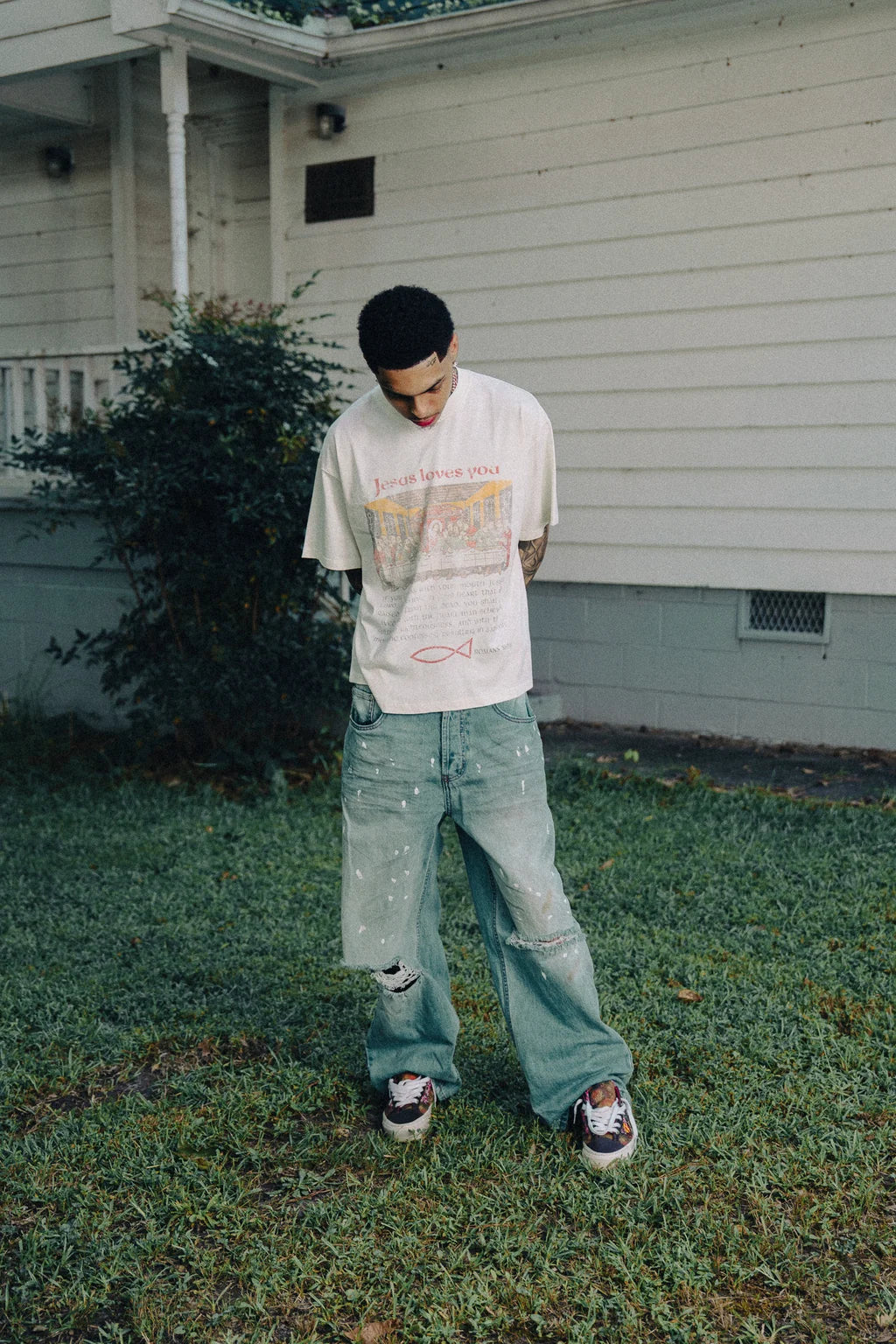
What Reviews Actually Say
Search volume tied to “righteous review” and “we are righteous review” has increased along with the brand’s visibility, which is to be expected once a brand moves from niche to recognizable. Reviews of indie streetwear brands usually center on three recurring topics: material weight, longevity of the print, and sizing accuracy. Shoppers researching We Are Righteous specifically want to know whether the clothing earn their asking price compared to both fast-fashion basics and premium streetwear houses.
The pattern across customer feedback for brands in this space is fairly predictable — heavier fleece weights get praised, thin or overly stretchy cotton gets criticized, and print quality gets evaluated on whether it holds up, or cracks and fades, after multiple washes. Labels that make it past their early years and cultivate a devoted returning audience are usually the ones that address these specific pain points quickly rather than overlooking them. That responsiveness is part of what separates a “review-worthy” label from one that fades after a single hype cycle.
It’s also worth noting that review sentiment evolves as a brand matures. In the beginning, reviews usually center on freshness and design — does the graphic look good, is the drop exciting. Once a brand has been around longer, subsequent feedback pivot toward long-term wear and reliability — does the hoodie remain looking good after a year of use, does the sizing match what was advertised the first time around. The presence of both types of review is itself a signal that We Are Righteous has moved past the “new brand” phase and into a more established one.
How It Stacks Up Against Fellow Street-Style Brands
Positioning matters in streetwear, where dozens of brands compete for the same customer attention with similar silhouettes. The table below breaks down general category positioning — not exact pricing, since that varies by drop and retailer, but the structural differences that typically separate an independent label like We Are Righteous from mass-market and ultra-premium alternatives.
| Breakdown Area | Everyday Fast-Fashion Staples | We Are Truly Righteous | Elevated Streetwear Brands |
|---|---|---|---|
| How pieces are made | High-volume, continuous restock | Scarce, drop-based | Scarce, usually shaped by joint releases |
| What the brand centers on | Bare-bones, chasing current trends | Purpose-led, unwavering brand voice | Designer-driven, artistic concept |
| Core product | Plain t-shirts | Fleece pieces and hoodies | Changes with every collection |
| Community involvement | Minimal | Expanding, direct-to-consumer focused | High, though access is restricted |
| Ease of access | Widely available | Middling | Low |
This brand placement is precisely why side-by-side comparisons count for shoppers doing research before committing to a purchase. A brand that sits in the middle ground — more thoughtful than disposable fashion, more attainable than high-end designer streetwear — has to earn shopper confidence through consistency instead of exclusivity by itself. We Are Righteous has built that territory for itself, and defending it long-term is harder because it demands both strong products and consistent messaging at the same time.
2026 Comes Into View: Where the Brand Presently Stands
Heading into 2026, the streetwear space has turned more oversaturated than it was five years before, with social media platforms making it easier than ever for a new label to debut and tougher than it’s ever been for one to rise above the noise past its first year. Brands that have made it this far, We Are Righteous included, are now competing less on novelty and more on credibility — repeat customers who are familiar with the fit, understand the fabric weight, and understand what the brand stands for well enough to purchase without requiring persuasion every time.
This transition transforms what “growth” represents for the brand in the coming seasons. Rather than pursuing each passing trend, the more sustainable path is refining what already succeeds: reinforcing the hoodie line, tightening size consistency, and building out apparel that coordinates seamlessly with what’s already on offer rather than rolling out disconnected one-off items. Brands that dilute their focus at this stage often lose the consistency that established their following in the first place.
Compared to the brand’s earliest seasons, the communal side of things now matters more. Streetwear customers in 2026 demand more hands-on connection — an inside look on drops, honest communication about restocks, and a sense that the brand’s message isn’t just marketing copy but something the company actually operates by. For a label founded on the idea that “righteous” is more than a mere label, that alignment between what’s said and what’s done is the real measure of staying power.
Across several seasons, what started as a modest, message-driven startup has cultivated enough recognition to be seen as a genuine streetwear staple, not just a fleeting name. The hoodie remains the cornerstone, the identity remains unwavering, and the reviews — whether initial buzz-fueled ones and subsequent longevity-focused ones — present a consistent story of a brand that has grown intentionally rather than haphazardly. A single viral drop is easier to achieve than that, and it’s the explanation for why We Are Righteous continues to come up in conversations about which independent labels are actually built to last.
